BIG RED — Automotive Jacks And Lifting Equipment
BIG RED Jacks: Built for DIY Mechanics and Professional Technicians Who Demand Reliability
Since 1968, BIG RED has stood as a trusted name for anyone who works under vehicles — from weekend DIYers tackling oil changes in home garages to professional automotive technicians servicing dozens of cars daily. The brand emerged from Ontario, California with a singular mission: to become the number one car jack manufacturer by delivering products engineered to exceed expectations. Every floor jack, bottle jack, and jack stand carries this commitment, providing the foundation professionals and enthusiasts need to work safely and efficiently.
The core audience for BIG RED spans three distinct groups who share common ground in their demand for dependable lifting equipment. DIY home mechanics appreciate the brand's combination of professional-grade construction and accessible price points. Professional automotive technicians rely on BIG RED's over-engineered hydraulic systems that perform thousands of cycles without failure. Auto body shop owners trust the brand's heavy-duty steel construction to withstand the rigors of commercial environments where equipment faces constant use.
What unites these users is an understanding that quality jacks represent more than convenience — they represent safety. BIG RED's commitment to exceeding ANSI/PALD standards means every product carries built-in safety devices including safety valves that prevent overloading. The chromium-plated piston rods resist corrosion in shop environments where oil, grease, and moisture are constant factors. For mechanics who stake their well-being on their equipment, this engineering philosophy provides genuine peace of mind.
From Compact Bottle Jacks to Heavy-Duty Shop Presses: The Complete Lineup
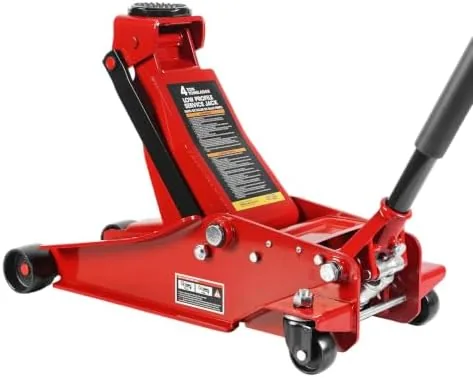
The product range addresses virtually every lifting and pressing application encountered in automotive work. Floor jacks form the backbone of the collection, featuring low profile designs that slide beneath lowered sports cars and dual pump systems that reduce the effort needed for rapid lifting. Capacities span from 1.5 tons for compact sedans to 5 tons for heavy trucks and SUVs, ensuring proper equipment for any vehicle class.
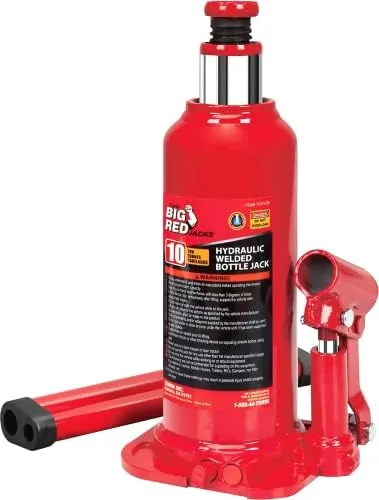
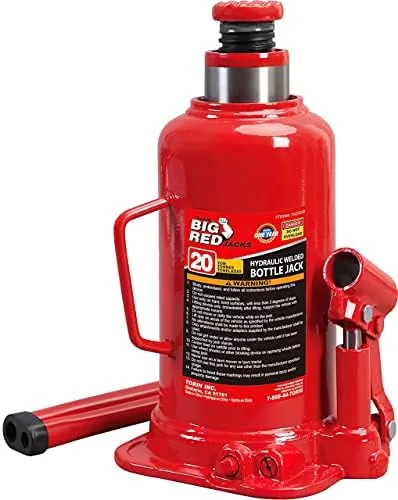
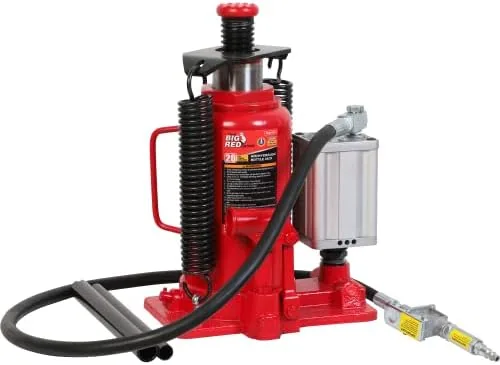
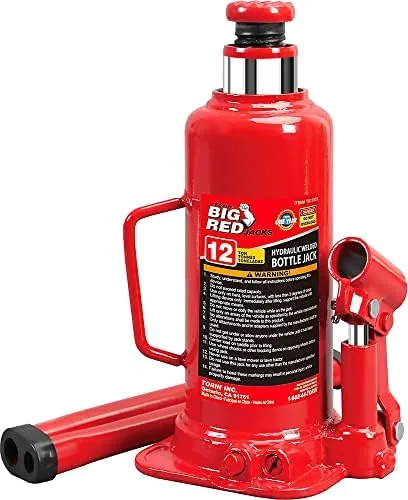
Bottle jacks deliver vertical lifting power in remarkably compact packages. The welded construction creates units that excel in tight spaces — inside engine bays, beneath trailer hitches, or in mobile roadside situations where space is limited. Adjustable screw extensions provide fine height control, while capacities ranging from 2 to 20 tons accommodate everything from passenger vehicles to heavy commercial equipment. These portable units have become favorites among those who need reliable lifting capability without dedicating permanent floor space.
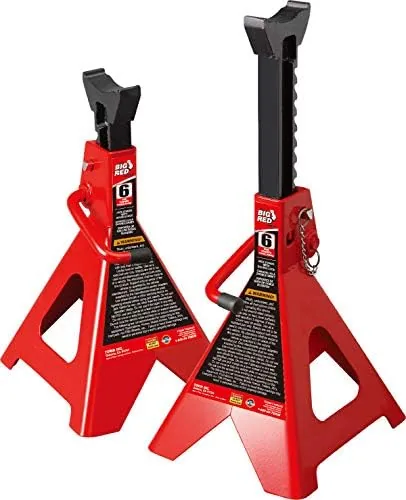
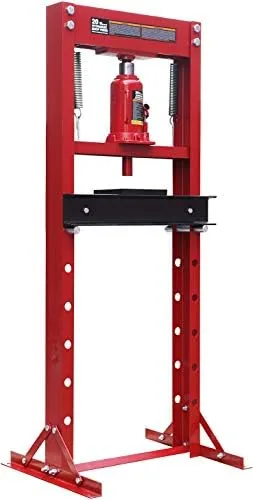
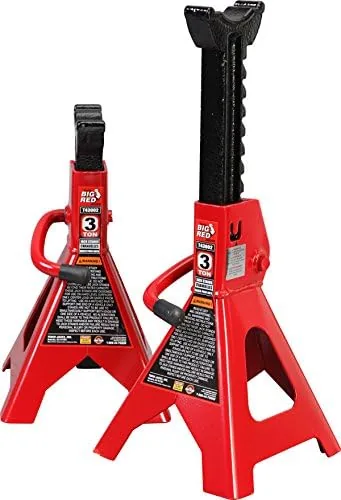
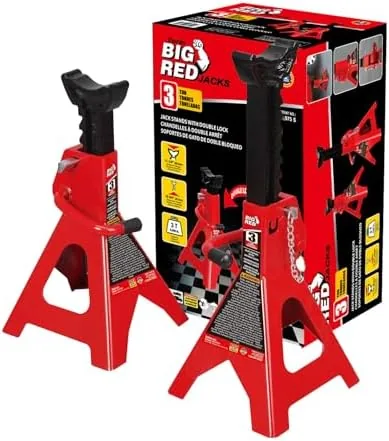
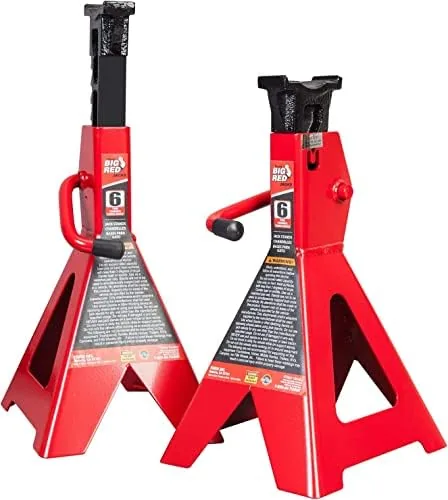
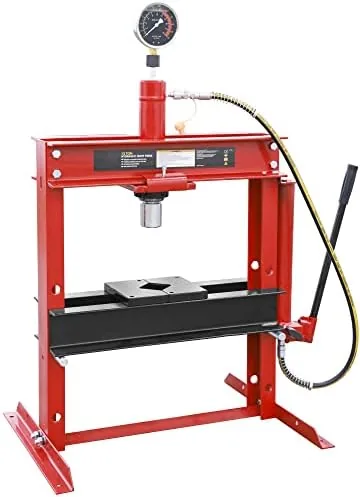
Jack stands and shop presses round out the lineup with essential support and fabrication capabilities. The steel jack stands feature ratchet height adjustment paired with double-lock safety mechanisms that prevent accidental lowering during maintenance. Shop presses bring industrial pressing capability to smaller operations, handling bearing installation, straightening work, and stamping operations with precision and power. Together, these categories create a complete ecosystem for lifting, supporting, and fabricating.
Aircraft-Quality Engineering: The 600-800% Overload Philosophy
The defining characteristic of BIG RED equipment lies in its radical over-engineering approach. Every hydraulic component, wire rope, and structural element is designed to handle between 600% and 800% more than its rated capacity. This philosophy stems from the understanding that rated capacities represent working loads, not failure points. By engineering far beyond these minimums, the brand delivers equipment that maintains structural integrity even when subjected to unexpected stresses or accumulated wear.
This aircraft-quality component strategy manifests in specific construction choices throughout the product line. Drop forged alloyed steel components replace cast alternatives wherever possible, providing superior tensile strength and resistance to fatigue cracking. Wire ropes meet specifications originally developed for aerospace applications, where failure consequences make compromise unacceptable. The result is equipment that remains reliable through years of professional use rather than the months of consumer-grade alternatives.
The hydraulic systems themselves receive particular attention. Precision-machined cylinders paired with chromium-plated piston rods create seals that maintain pressure without leakage over thousands of operating cycles. Safety valves provide an additional layer of protection by preventing overload conditions that could compromise the system. This layered approach to engineering — where multiple safeguards work together — reflects the brand's understanding that professional users depend on their equipment absolutely.
BIG RED Jacks: Essential Features That Define Professional-Grade Performance
- Drop Forged Alloyed Steel Construction Critical structural components use drop forging rather than casting, creating parts with superior grain structure and resistance to stress fractures under load.
- Dual Piston Quick Lift Pumps Floor jack models feature dual piston systems that reduce lifting strokes by nearly half, achieving full lift height in as few as 7 pumps.
- Chromium-Plated Piston Rods Hydraulic pistons receive chromium plating for enhanced durability and corrosion resistance in harsh shop environments.
- Serrated Heat-Treated Saddles Lifting surfaces feature serrated patterns on heat-treated saddles that grip vehicle frames securely without slipping.
- Built-In Safety Valve Systems Integrated safety valves automatically prevent operation beyond rated capacity, protecting both equipment and operator.
- Powder-Coated Lead-Free Finish Oil, grease, and dirt-resistant powder coating simplifies cleanup while eliminating lead from the manufacturing process.
- ANSI/PALD Standard Compliance Every product meets or exceeds established industry safety standards for portable automotive lifting devices.
Customer Favorites: Models That Have Earned Trusted Reputations
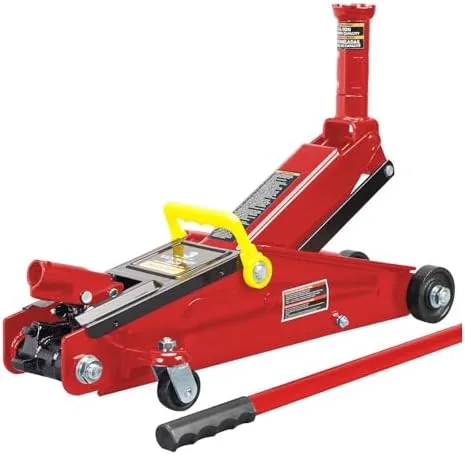
Among the extensive lineup, several models have emerged as consistent favorites based on their combination of capability, durability, and value. The BIG RED T83006 Torin Hydraulic Trolley Service Floor Jack with Extra Saddle has become a go-to choice for SUV and truck owners who need extended height capability. Its heavy-duty steel construction provides long-term durability with an industrial luster that resists the visual wear common to shop equipment.
For pure lifting power in compact form, the T92003B Torin Hydraulic Welded Bottle Jack delivers 20 tons of capacity in a package small enough to store in a truck bed. The serrated, heat-treated saddle provides a generous lifting area with secure grip, making it equally suitable for trailer work and heavy equipment applications.
Heavy-Duty Steel and Precision Hydraulics: Inside the Construction
The foundation of every lifting device begins with steel selection. Heavy-duty steel forms the primary structural elements, providing the rigidity necessary to maintain alignment under load. This isn't generic mild steel — the alloy compositions are chosen specifically for their combination of strength and workability, allowing the drop forging process to create components with optimal grain flow patterns that follow the contours of each part.
Hydraulic systems represent the critical interface between operator effort and lifting force. Precision-machined cylinders maintain the tight tolerances necessary for efficient hydraulic operation, while chromium plating on piston rods serves dual purposes: reducing friction for smooth operation and providing a barrier against the corrosive effects of oil, moisture, and airborne contaminants common in automotive environments. The oil used in these systems is selected for stability across temperature ranges encountered from cold garage floors to summer pavement.
Surface treatment completes the construction with functionality in mind. The powder-coated finish achieves more than aesthetic appeal — it creates a surface that actively resists oil, grease, and dirt accumulation. This resistance simplifies maintenance while protecting underlying steel from corrosion. The elimination of lead from the paint formulation reflects modern environmental standards without compromising durability. Together, these material choices create equipment designed for decades of service rather than years.
Proven Under Pressure: Real-World Durability and Lifting Performance
The true test of any lifting equipment comes in daily use, where theoretical specifications meet practical demands. Shop owners report thousands of lifting cycles from floor jack models without noticeable degradation in performance. The dual piston pump systems maintain their rapid lift characteristics over extended service lives, with the 7-stroke full lift capability remaining consistent even after years of professional use.
Durability under load represents a particular strength. The over-engineered design philosophy means rated capacity operations occur well within the structural comfort zone of each unit. A 3-ton floor jack working on 3-ton vehicles operates with substantial safety margin, translating to minimal stress on seals, cylinders, and structural components. This conservative approach to capacity ratings contributes directly to the longevity users experience.
The powder-coated finish demonstrates its value in working environments where spilled fluids and shop grime are unavoidable. Rather than becoming embedded in the surface, contaminants wipe away easily, maintaining both appearance and corrosion protection. Users frequently note that units cleaned regularly show little evidence of their actual age, a testament to both the finish quality and the underlying material choices. This combination of mechanical durability and cosmetic resilience explains the brand's strong reputation among professional users.
Using BIG RED Jacks for Oil Changes, Brake Repairs, and Suspension Work
Proper technique maximizes both safety and equipment longevity during lifting operations. Position the floor jack on a level, solid surface — concrete garage floors provide ideal conditions. Locate the vehicle's designated lift points, typically reinforced areas of the frame or rocker panels specified in the owner's manual. Never place a jack saddle on body panels, suspension components, or other areas not designed for concentrated loads.
For routine oil changes, the low profile designs slide easily beneath most vehicles without requiring preliminary ramp elevation. Pump the handle using smooth, full strokes until the vehicle reaches working height. Once elevated, immediately position jack stands beneath secondary lift points — never work beneath a vehicle supported only by a hydraulic jack. The double-lock safety mechanism on BIG RED stands provides secure support for extended maintenance sessions.
Safe Lifting Practices: Load Limits, Positioning, and Stand Requirements
Adhering to rated capacities represents the fundamental principle of safe jack operation. While BIG RED engineering provides substantial overhead above rated limits, professional practice demands operating within specified maximums. Know the actual weight of the vehicle being lifted — many modern SUVs and trucks exceed 3 tons when fully equipped. When uncertain, select equipment with capacity exceeding estimated vehicle weight by a minimum of 25%.
Jack positioning affects both lifting safety and equipment longevity. Center the saddle beneath the lift point before beginning to pump, ensuring even load distribution across the contact surface. The serrated saddle design grips effectively but requires proper alignment to function as intended. Avoid placing jacks at angles or on sloped surfaces where lateral forces could develop during lifting.
Stand placement completes the safety equation. Never consider a vehicle safely supported until appropriate jack stands are in position with locks fully engaged. Position stands as close to lift points as practical, distributing vehicle weight across multiple support locations when possible. For extended suspension work where components will be removed, consider whether weight transfer will occur and position stands accordingly. The built-in safety valves provide protection against jack overload, but stands provide the true security margin for working beneath vehicles.
The Professional Technician's Choice: Who Benefits Most From Over-Engineered Equipment
Ideal For
- Professional technicians performing multiple lifts daily
- Auto body shop operations requiring consistent performance
- DIY mechanics maintaining family vehicle fleets
- Mobile mechanics needing portable, reliable equipment
- Enthusiasts working on project cars over extended periods
- Fleet maintenance operations with high-volume demands
Key Requirements Met
- Need equipment that survives commercial use cycles
- Require safety margins for varied vehicle weights
- Value quick lift capability for productivity
- Demand easy maintenance and cleanup
- Prioritize long-term value over initial cost
- Work across multiple vehicle types and sizes
Selecting the Right Jack Capacity and Profile for Your Vehicles
Matching equipment to vehicle requirements begins with understanding actual weights and dimensions. Compact cars and sedans typically fall within the 1.5 to 2.5-ton range, making the Big RED T825051-1 or TAM82012 models appropriate choices. Their lower profile designs — some reaching minimum heights of just 3.125 inches — slide beneath lowered suspensions common on sports cars and modified vehicles. The lifting range of these units accommodates complete wheel removal and most undercarriage access needs.
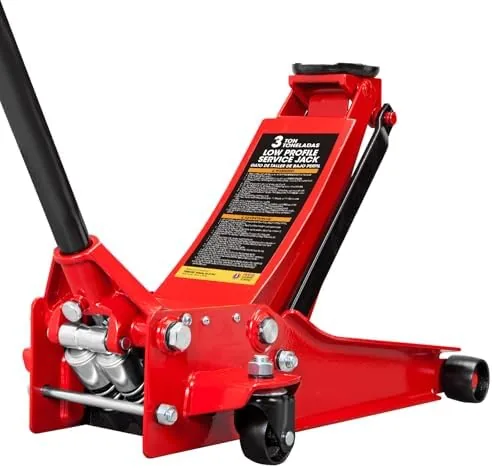
Mid-size vehicles including crossovers and smaller SUVs generally require 2.5 to 3-ton capacity equipment. The Big RED 3 Ton Low Profile Hydraulic Floor Jack addresses this segment with its combination of 6,600-pound capacity and ultra-low approach height. The dual pump system delivers rapid lifting that professional shops appreciate when cycling through multiple vehicles, while the reinforced steel construction provides the durability needed for sustained commercial use.
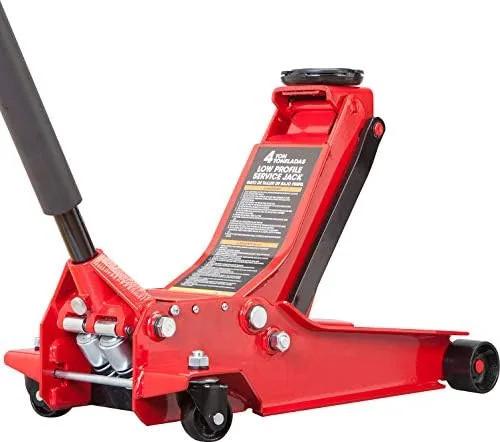
Full-size trucks, larger SUVs, and commercial vehicles demand the 4-ton models like the AT84007R Torin Hydraulic Low Profile Service Floor Jack. These units feature extended lifting ranges — reaching 20 inches maximum height — necessary for vehicles with substantial ground clearance. The increased saddle dimensions accommodate larger frame rails common on heavy-duty trucks. For extreme capacity needs including motorhomes and commercial equipment, the 20-ton bottle jack models provide concentrated lifting power in spaces where floor jacks cannot reach.
Beyond capacity, consider frequency and environment. Occasional home use may favor the portability of the TAM82012 with its included blow mold carrying case. Professional environments benefit from the AT815016LR's aluminum and steel racing design that reduces operator fatigue during repeated positioning. Matching these secondary characteristics to actual use patterns ensures satisfaction beyond basic lifting capability.
BIG RED Jacks vs. Competitor Brands: Feature and Value Comparison
| Feature | BIG RED | Pittsburgh (Harbor Freight) | Arcan |
|---|---|---|---|
| Safety Margin Engineering | 600-800% over rating | Standard industry margins | 200-300% over rating |
| Piston Rod Treatment | Chromium plated | Standard steel | Powder coated |
| Steel Construction | Drop forged alloy | Cast steel | Stamped steel |
| Safety Standards | Exceeds ANSI/PALD | Meets ANSI minimum | Meets ANSI/PALD |
| Pump System (3+ ton) | Dual piston rapid lift | Single piston | Dual piston |
| Surface Finish | Oil/grease resistant powder coat | Standard paint | Powder coat |
| Built-in Overload Protection | Yes - safety valve | Limited models | Yes |
| Warranty Coverage | 1 year standard | 90 days typical | 1 year |
| Manufacturing Heritage | Since 1968 | Varied sourcing | Established brand |
Comparison based on manufacturer specifications for 3-ton floor jack models. Actual features may vary by specific model.
Maintaining Peak Performance: Cleaning, Storage, and Hydraulic Care
Regular maintenance extends equipment life and ensures consistent performance. The oil and grease-resistant powder coat finish simplifies cleaning — a wipe with shop towels removes most contamination. For accumulated grime, mild detergent and water followed by thorough drying prevents moisture from reaching unpainted surfaces. Avoid petroleum-based solvents that might compromise seal materials or finish adhesion.
Hydraulic system maintenance centers on oil condition and level. Most floor jack models include inspection plugs or fill ports for checking hydraulic fluid. The oil should appear clean and maintain proper level at the indicator mark. Annual oil replacement using manufacturer-specified hydraulic jack oil maintains seal pliability and pump efficiency. Signs requiring immediate attention include slow lifting, inability to maintain height, or visible fluid leakage around cylinder seals.